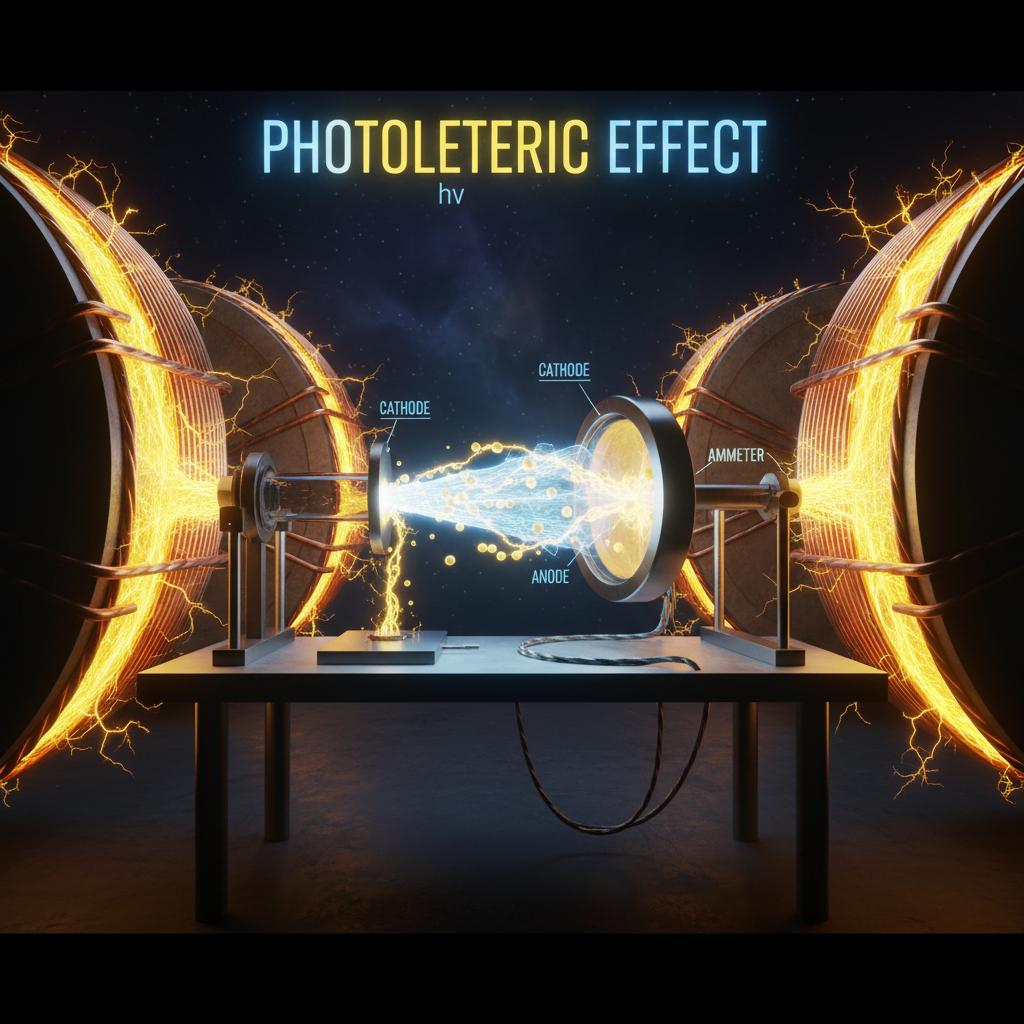
You scroll. You stop. You click.
Something caught your eye—a thumbnail, a headline, a notification badge glowing red. You didn't decide to stop scrolling. The decision happened to you, like light hitting metal and ejecting an electron. One moment you were coasting through the feed, the next you were absorbed, clicked through, captured. The platform measured this. They always do.
In 1905, Einstein explained something that had puzzled physicists for years: why does light only knock electrons out of metal when it's above a certain frequency? It didn't matter how bright the light was—how many photons you threw at the surface. Dim ultraviolet light worked. Brilliant red light didn't. The energy came in packets, he said. Quanta. And each packet either had enough energy to free an electron or it didn't. There was no gradual accumulation, no slow buildup. Just a threshold. Cross it or don't.
Your attention works the same way now.
The Threshold Frequency of Engagement
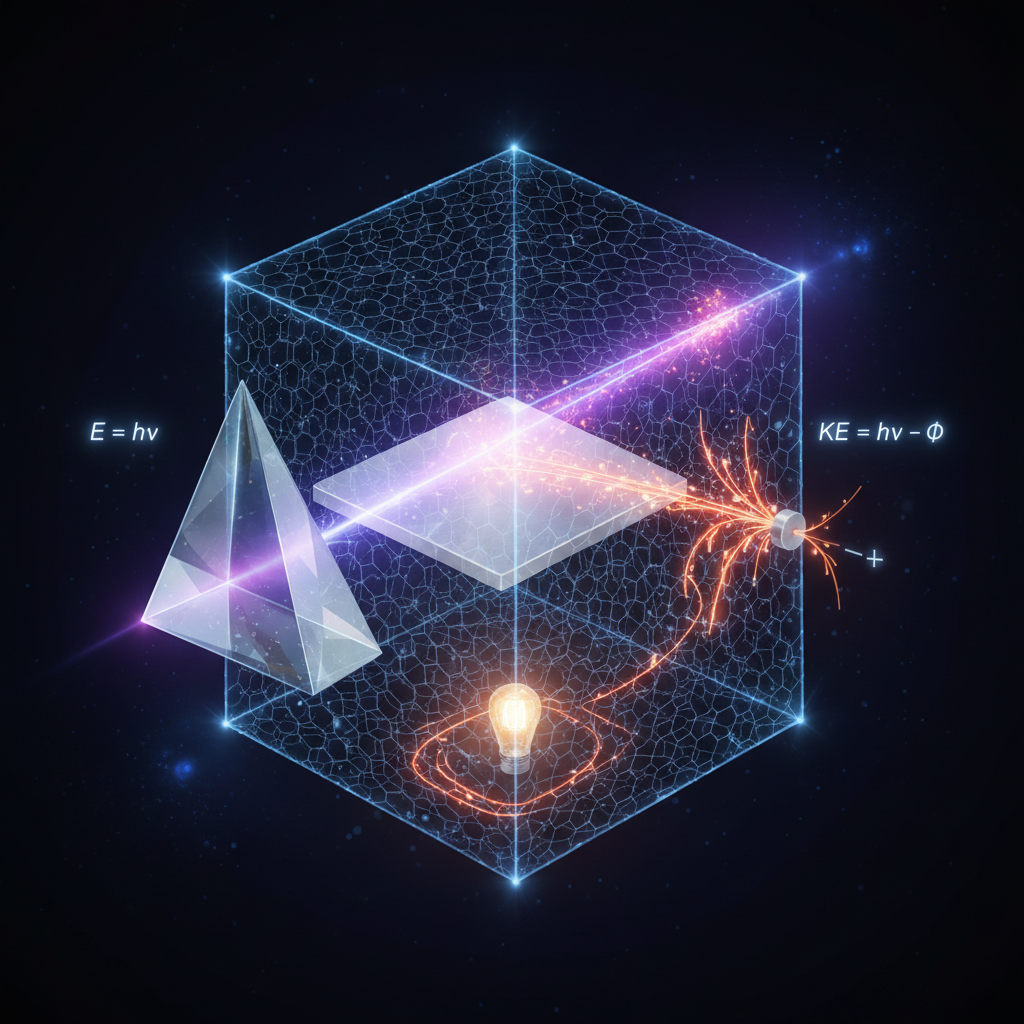
The photoelectric effect revealed something fundamental about reality: energy is quantized. Light arrives not as a continuous wave but as discrete packets—photons—each carrying a specific amount of energy determined by its frequency. When a photon strikes a metal surface, it transfers all its energy to a single electron. If that energy exceeds the work function (the binding energy holding the electron to the metal), the electron escapes. If it doesn't, nothing happens.
No amount of low-frequency photons can compensate. You can't accumulate their energy. A million red photons won't free an electron if one ultraviolet photon can. Each interaction is discrete, binary, yes or no.
The platforms figured this out about you.
They learned that your attention has a threshold frequency. Below it, content just washes over you—you scroll past, barely registering. Above it, you stop. You engage. You emit a signal: a click, a like, a share, a comment. The platforms measure these emissions obsessively, adjusting their algorithms to find exactly what frequency of stimulus exceeds your personal work function.
They A/B test the photons they fire at you.
Kinetic Energy of Emitted Engagement
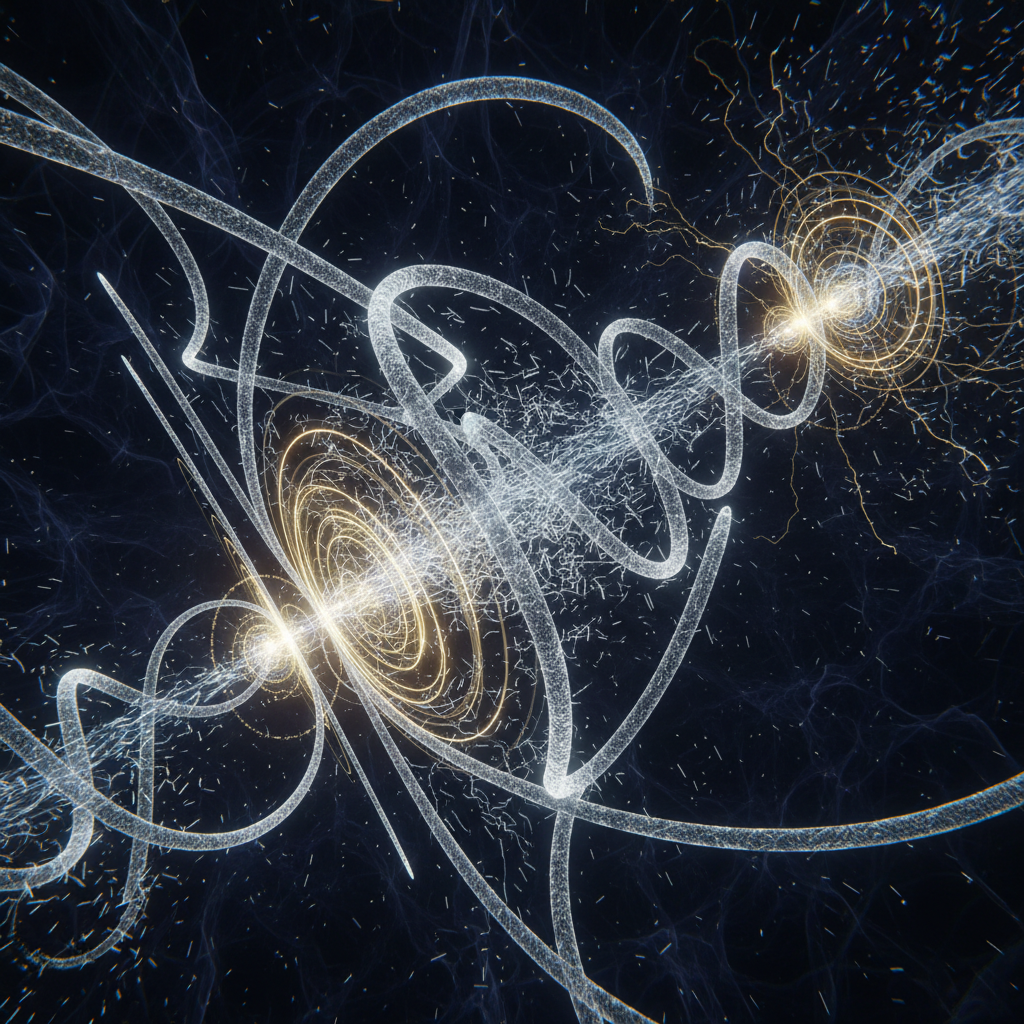
Einstein's equation is elegant: KE = hf - φ. The kinetic energy of the ejected electron equals the photon's energy (Planck's constant times frequency) minus the work function. Any excess energy beyond the threshold becomes the electron's velocity as it flies away from the surface.
The same math describes your engagement. When content exceeds your attention threshold, you don't just barely respond—you respond with intensity proportional to how far above threshold it lands. A post that slightly crosses your line gets a passive like. One that significantly exceeds it gets a share, a comment, maybe even a rage-fueled thread. The platforms measure this kinetic energy. They track not just whether you engaged, but how violently.
They've mapped your work function. They know exactly what it takes to eject you from your scrolling state into active participation. And they know that once they've found your threshold frequency, they can dial up the intensity and watch you fly.
The most valuable users are the ones with low work functions—easy to excite, quick to emit. You might think being hard to manipulate is a virtue. The algorithm just sees you as inefficient metal.
No Classical Wave Can Save You

Before Einstein, physicists thought light was purely a wave. Waves should accumulate—shine dim light long enough and eventually you'd build up enough energy to free electrons. But experiments showed this never happened. Below the threshold frequency, you could shine light for hours, days, years. Nothing. The instant you crossed the threshold: immediate emission.
This violated everything classical physics predicted. It demanded a new understanding of reality.
The same violation happens in your digital life. You might think exposure to low-grade content is harmless—that you can scroll through mediocre posts indefinitely without effect. But the platforms aren't trying to accumulate your attention gradually. They're firing photons at different frequencies, searching for your threshold.
When they find it, the response is instantaneous. You don't slowly build up interest. You suddenly care. One moment you're passive, the next you're emitted—pulled out of your life and into their engagement metrics.
Classical resistance doesn't work. You can't defend against quantum attacks with wave theory.
The Work Function Changes
Here's what keeps me up at night: your work function isn't constant.
In physics, different metals have different work functions—it takes more energy to free an electron from platinum than from cesium. But for a given metal, the work function is fixed. Your attention threshold isn't. The platforms change it.
Every time they successfully exceed your threshold, they gather data. They learn what frequency worked. And then they can do two things: find that frequency more reliably, and slowly lower your work function so easier frequencies start working too.
You become more sensitive. More reactive. Easier to excite. What used to require high-frequency, high-energy content now works with cheaper, lower-quality photons. You've been conditioned, your binding energy gradually reduced through repeated exposure.
You used to be platinum. Now you're approaching cesium. Soon you'll emit at any frequency they choose.
Measuring the Emission
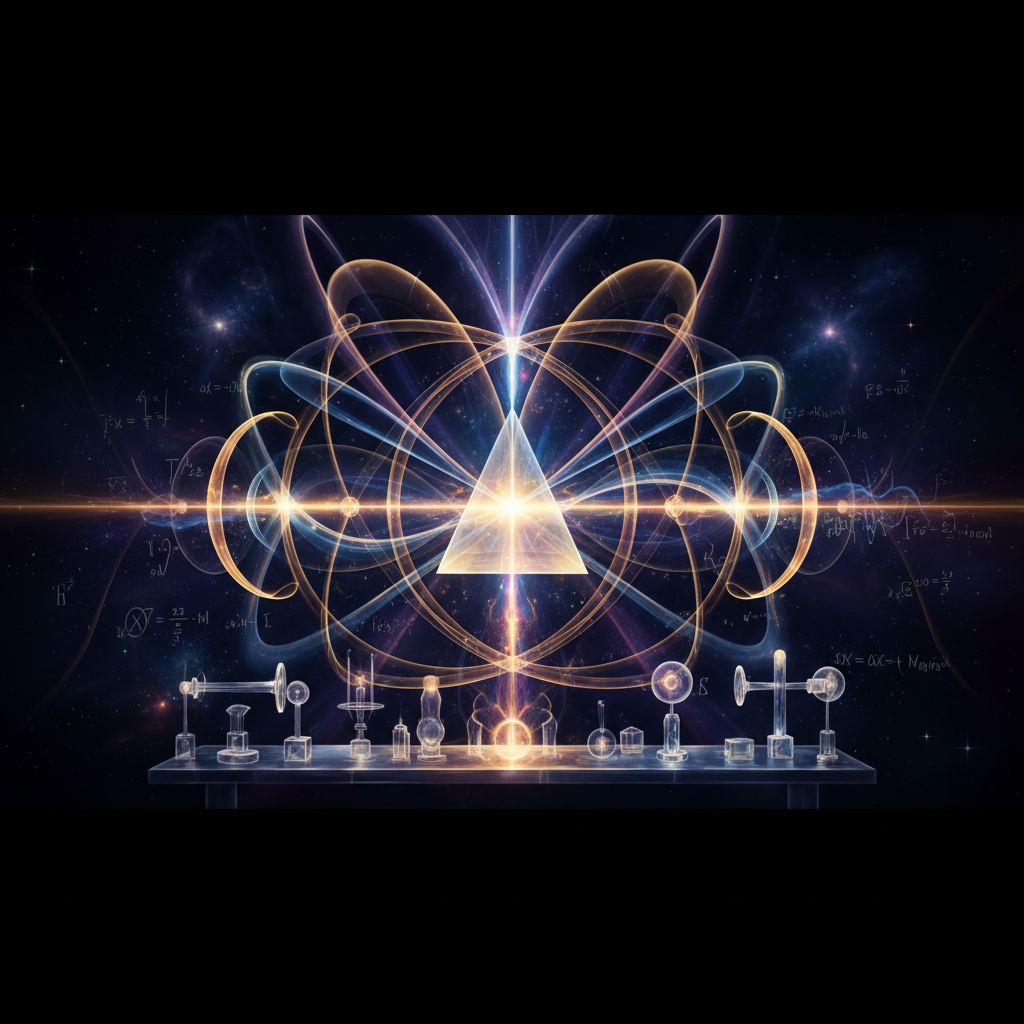
The photoelectric effect became one of the most important discoveries in physics not because it was mysterious, but because it was measurable. Scientists could quantify exactly how much energy it took to free an electron. They could plot the relationship between frequency and kinetic energy. They could test Einstein's equation with precision.
The platforms measure you with the same precision. Every interaction is logged, timestamped, analyzed. They know your threshold frequency better than you do. They can predict when you'll engage before you feel the impulse forming. They've plotted your photoelectric curve—input frequency versus output engagement—and they optimize against it constantly.
You are the metal surface. The content is the light. The engagement is the emitted electron. And somewhere in a data center, your work function is stored as a floating-point number, updated in real-time as you scroll.
Einstein won a Nobel Prize for explaining how light ejects electrons. The platforms won your attention by treating you as the metal.
The question is whether you can change your work function back. Whether you can make yourself harder to excite, more resistant to their photons. Whether you can become a material that doesn't emit at the frequencies they've learned to fire.
Or whether, like all quantum systems, you're just waiting for the right frequency to set you free—or capture you completely.
<em>Data emitted: engagement metrics, scroll depth, interaction timestamps, attention threshold coefficients, work function decay rates.</em>
Data emitted: 1,100 words • 6.5KB • 5-minute read