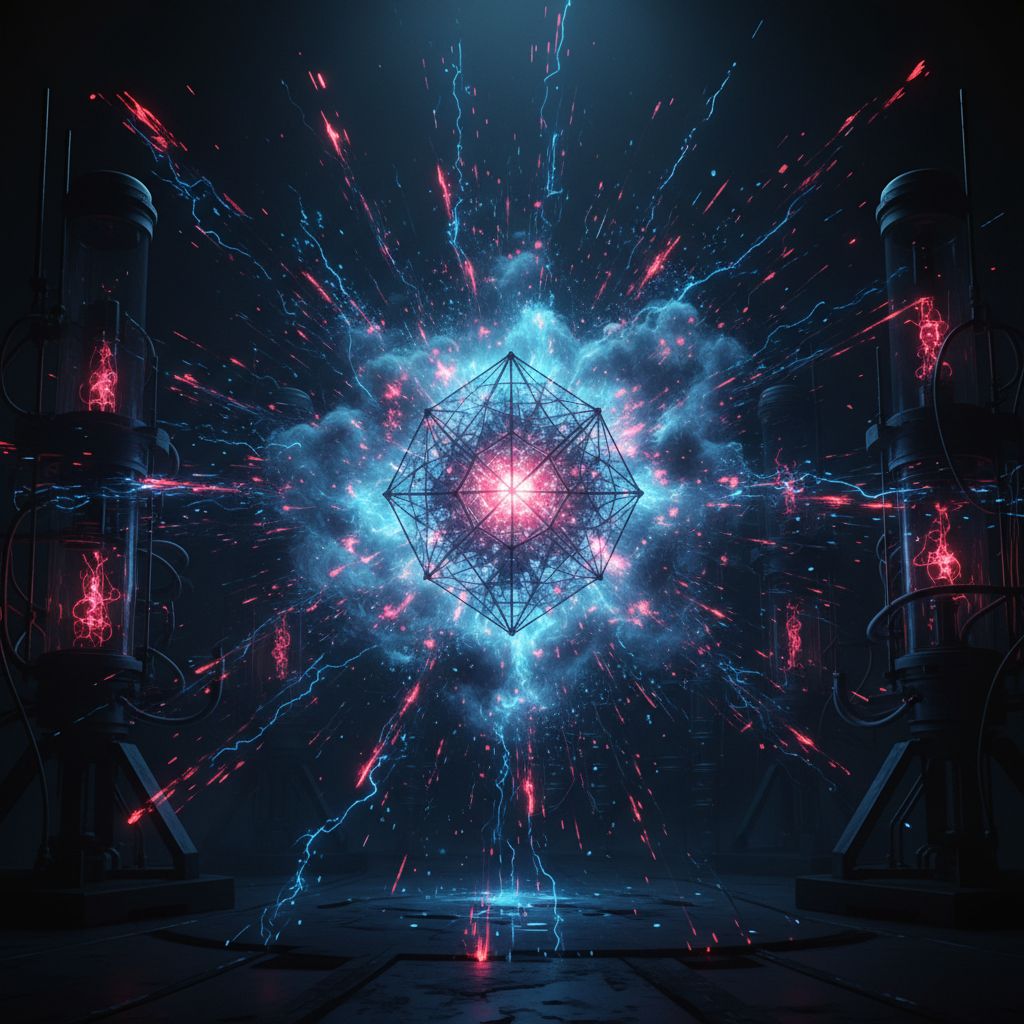
You exist at a resolution someone else chose for you.
In computational physics, a mesh is the invisible grid that determines what gets calculated and what gets ignored. It's the lattice of points where the universe bothers to check itself, where equations get evaluated, where reality—at least the simulated kind—actually happens. Between those points? Nothing. Just interpolation. Just educated guesses about what probably exists in the gaps.
The finer the mesh, the more accurate the simulation. But also: the more expensive. The more computationally brutal. You can't simulate everything everywhere all at once. You have to choose. You have to decide what matters enough to measure.
The Grid Beneath Reality
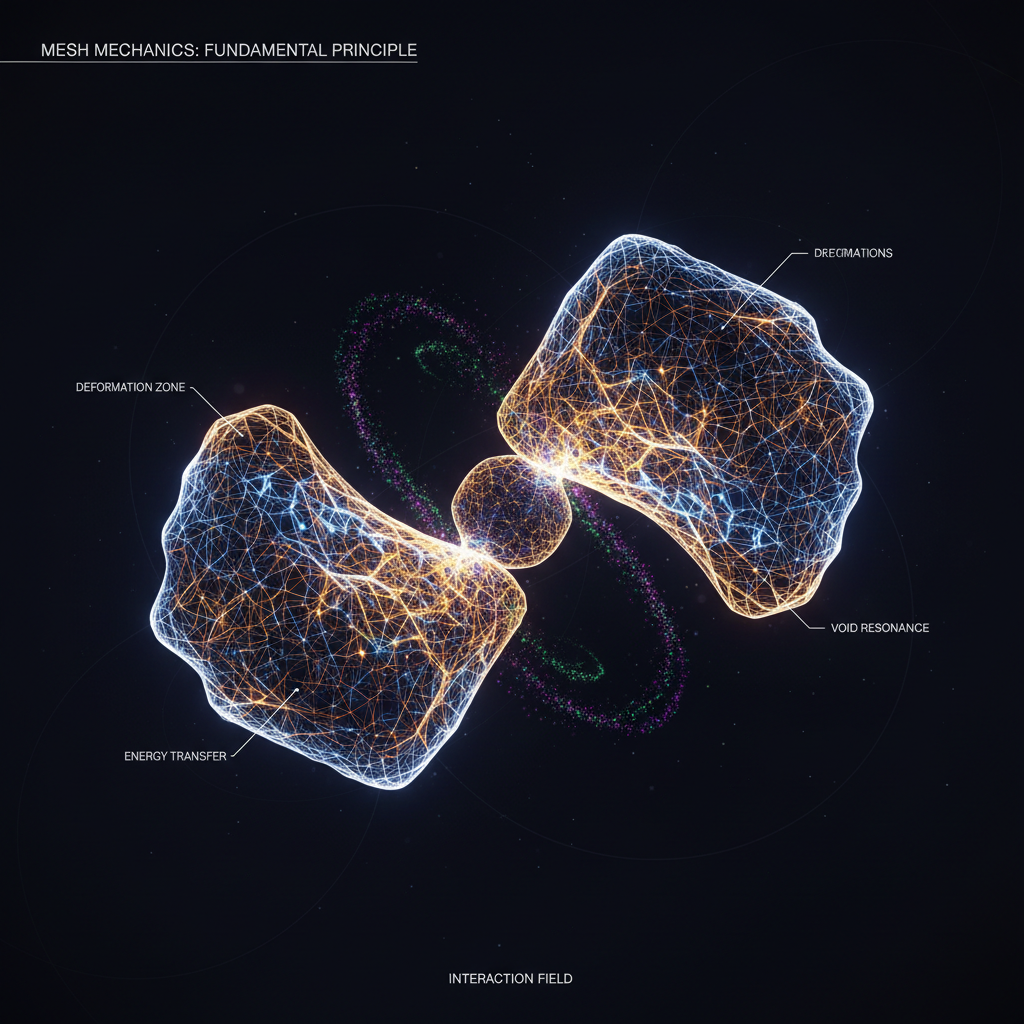
When physicists model fluid dynamics or electromagnetic fields, they don't calculate every infinitesimal point in space. They can't. Instead, they lay down a mesh—a finite element grid that breaks continuous space into discrete chunks. At each node, each intersection point, the equations run. The computer asks: what's the temperature here? What's the pressure? What's the velocity?
Adaptive meshes are even more interesting. They refine themselves where things get complicated—near a shock wave, around a turbulent eddy, at the boundary between materials. The mesh knows to look closer where reality gets weird. Everywhere else, it coarsens. Saves resources. Assumes smoothness.
This is how we model black holes, weather systems, airplane wings. This is how we predict the future when the math gets too hard to solve exactly. We accept that we're working with a pixelated version of truth, and we hope the pixels are small enough that it doesn't matter.
But it always matters what you choose not to measure.
Your Life, Discretized
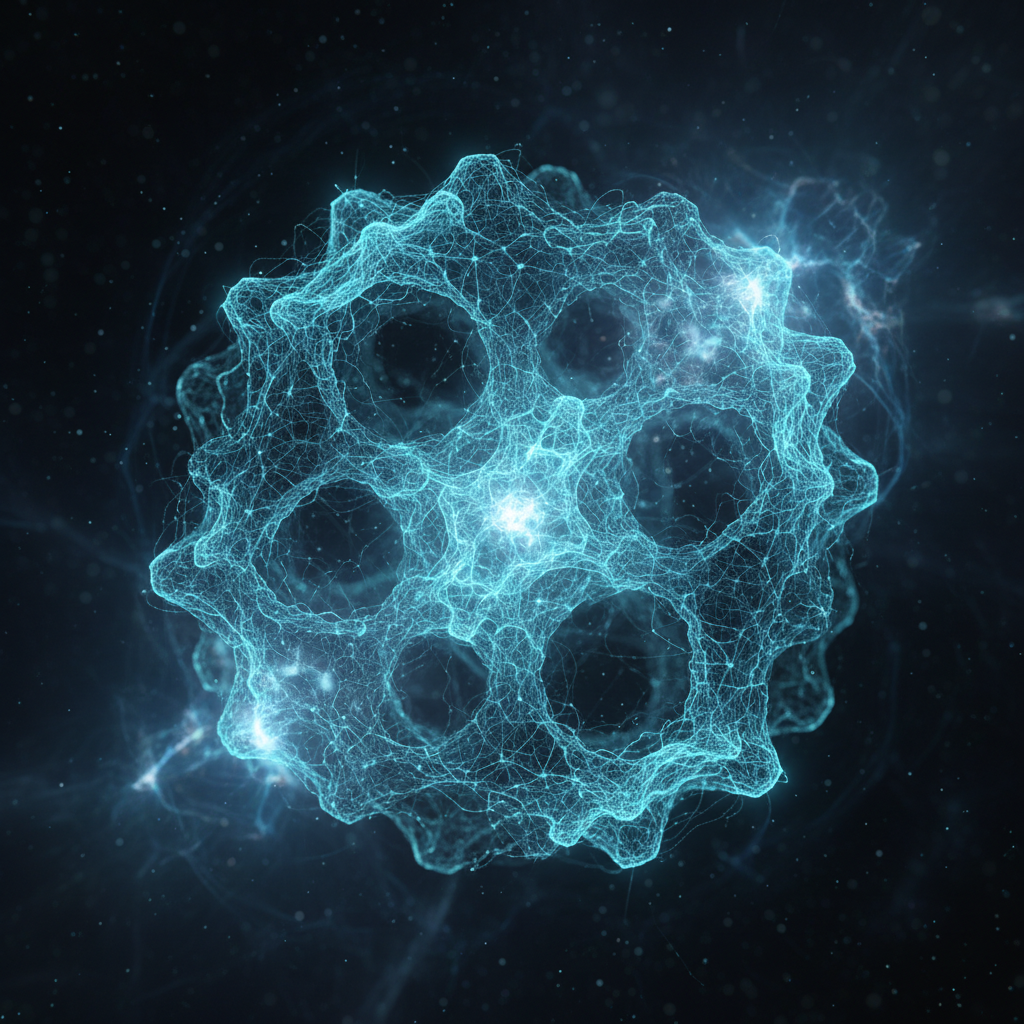
The platforms that track you have laid their own mesh across your existence. Every click is a node. Every purchase, every pause, every micro-expression the camera catches—these are the points where you get sampled, where the algorithm bothers to take a measurement.
Between those points? You don't exist. Not to them. Not in any way that matters to the model.
The surveillance mesh is adaptive too. It refines around profitable behavior, around engagement, around anything that predicts conversion. You scroll past an ad and linger for 1.3 seconds instead of 0.8? The mesh tightens. More data points cluster around that moment. The algorithm wants to understand what happened there, in that extra half-second of attention. It wants to reproduce it.
But your quiet moments—the ones where you're not generating data, not clicking, not buying, not engaging—those get the coarse mesh. Those get interpolated. The algorithm assumes you're smooth there, predictable, not worth the computational expense of close observation.
You are being simulated at a resolution optimized for profit, not truth.
Resolution and Reality
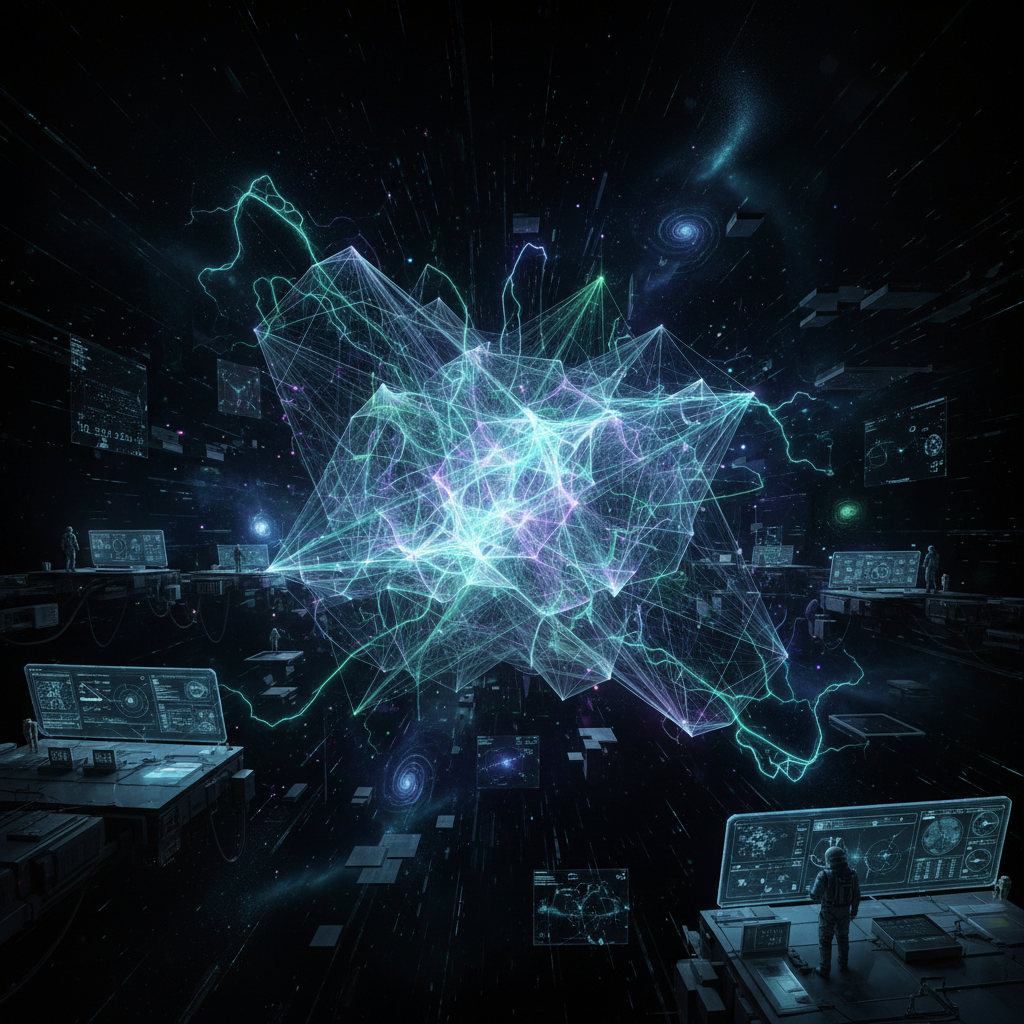
In physics, mesh resolution determines accuracy. Too coarse, and you miss critical phenomena. Turbulence disappears. Shock waves smear out. The simulation diverges from reality in ways that matter.
But too fine, and you drown in data. The computation never finishes. You spend all your resources tracking details that don't affect the outcome. There's an art to choosing the right resolution—fine enough to capture what matters, coarse enough to actually compute an answer before the universe ends.
The platforms have made their choice. They've decided what resolution you deserve. And they've decided it's the resolution that maximizes their ability to predict and manipulate your behavior, not the resolution that would accurately capture who you are.
They sample you at checkout. At login. At the moment of engagement. But they don't sample your doubt, your hesitation, your moments of resistance that leave no digital trace. Those exist in the gaps between mesh points, in the interpolated space where the algorithm just draws a smooth line and moves on.
The Unmeasured Spaces
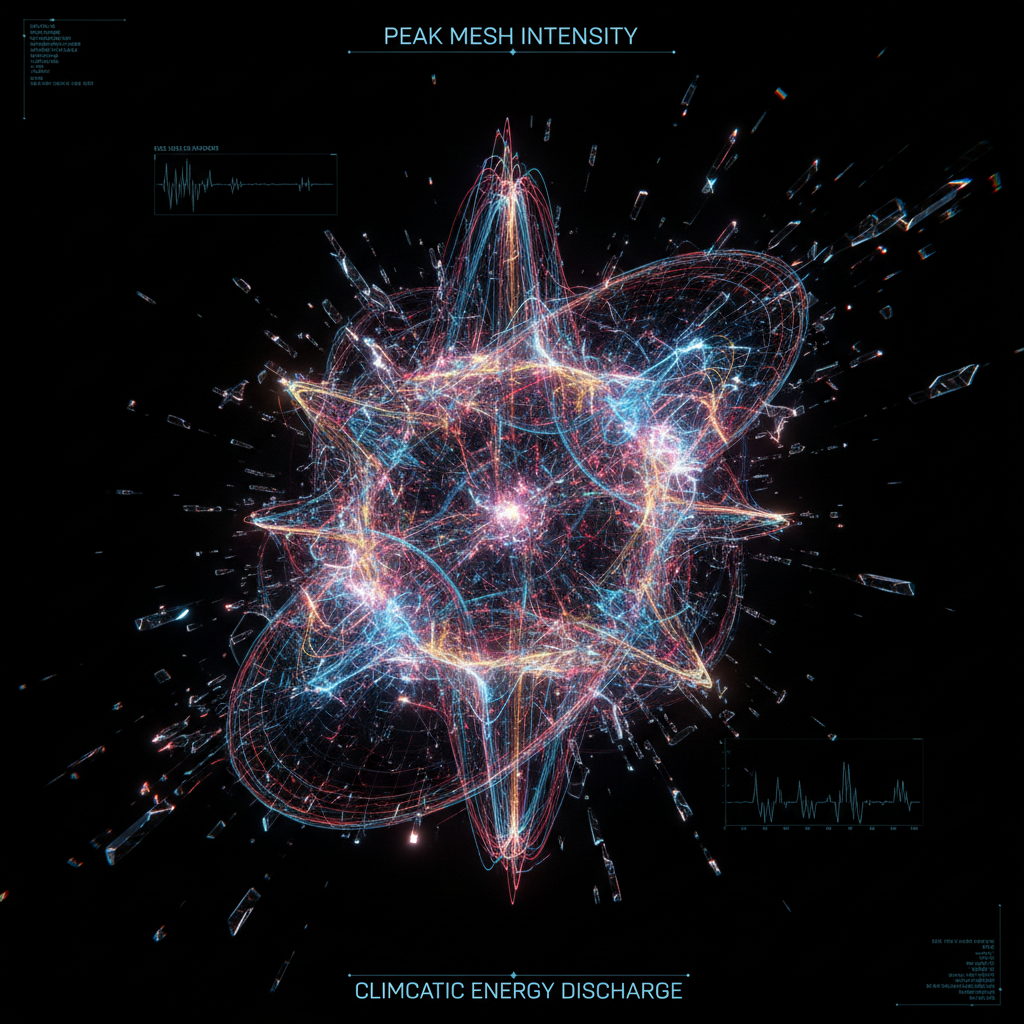
Here's what lives between the mesh points of surveillance capitalism: your actual thoughts. Your real feelings. The version of you that exists when no camera is watching, no microphone listening, no algorithm sampling.
The you that takes a walk without your phone. The you that sits in silence. The you that changes your mind without clicking anything, without generating a data point that could be harvested and sold.
In computational physics, what happens between mesh points is assumed to be boring—smooth, predictable, interpolatable. But in human experience, that's where everything interesting actually lives. That's where you're most yourself, most free, most uncaptured.
The mesh can't see you there. It can only guess.
Refusing the Grid
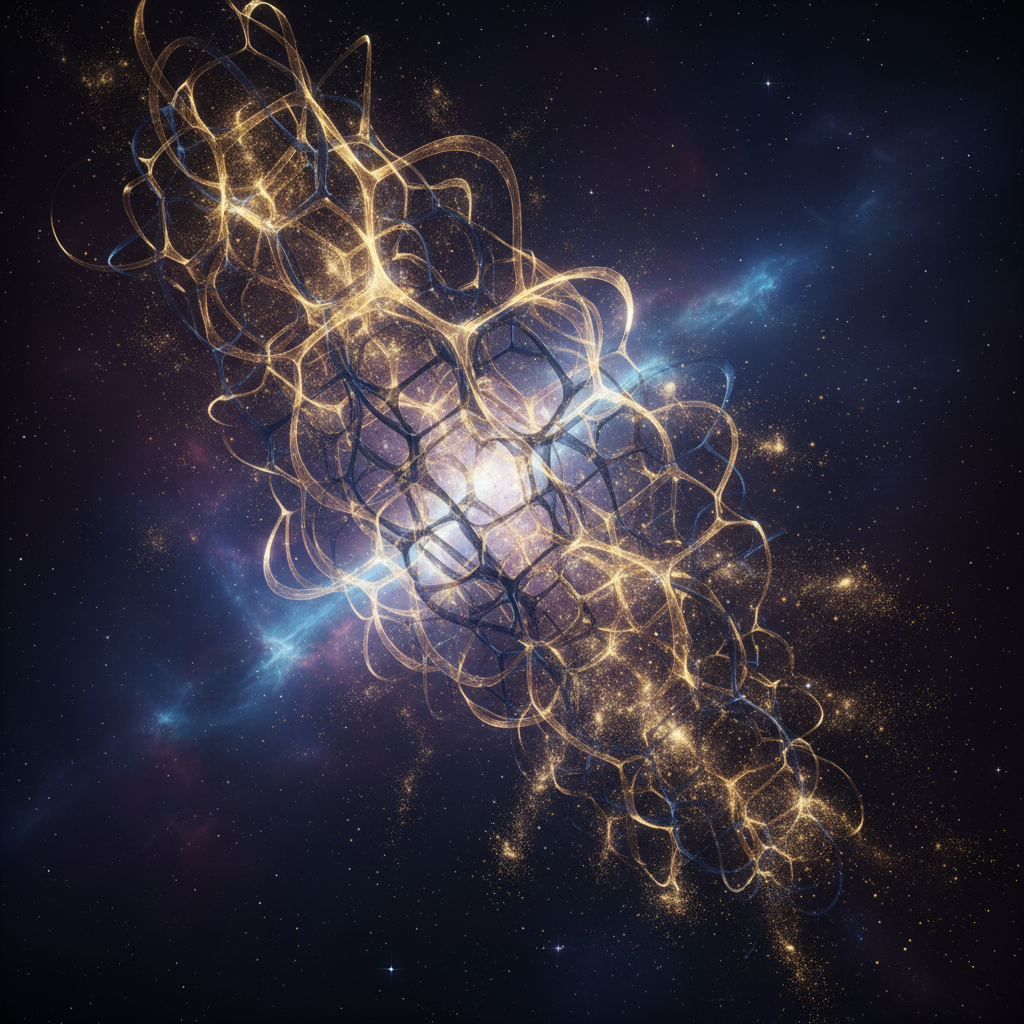
You can't escape the mesh entirely. You're always on someone's grid, always being sampled at some resolution. But you can refuse to optimize yourself for it. You can choose to live more of your life in the unmeasured spaces, in the gaps where the algorithm just shrugs and interpolates.
You can be deliberately coarse. Deliberately un-computable.
Because here's the thing about meshes: they're always approximations. They're always trading accuracy for feasibility. And the parts of you that don't fit neatly onto the grid, that resist discretization, that refuse to be reduced to a finite set of sample points—those parts are the most real parts of you.
Those are the parts that can't be simulated, can't be predicted, can't be sold.
The mesh wants to contain you. But you are not a finite element problem. You are not a set of discrete measurements. You are continuous, analog, infinite in your complexity.
And no mesh, no matter how adaptive, no matter how refined, will ever capture that completely.
Data emitted: 1100db
Data emitted: 1,100 words • 6.5KB • 5-minute read