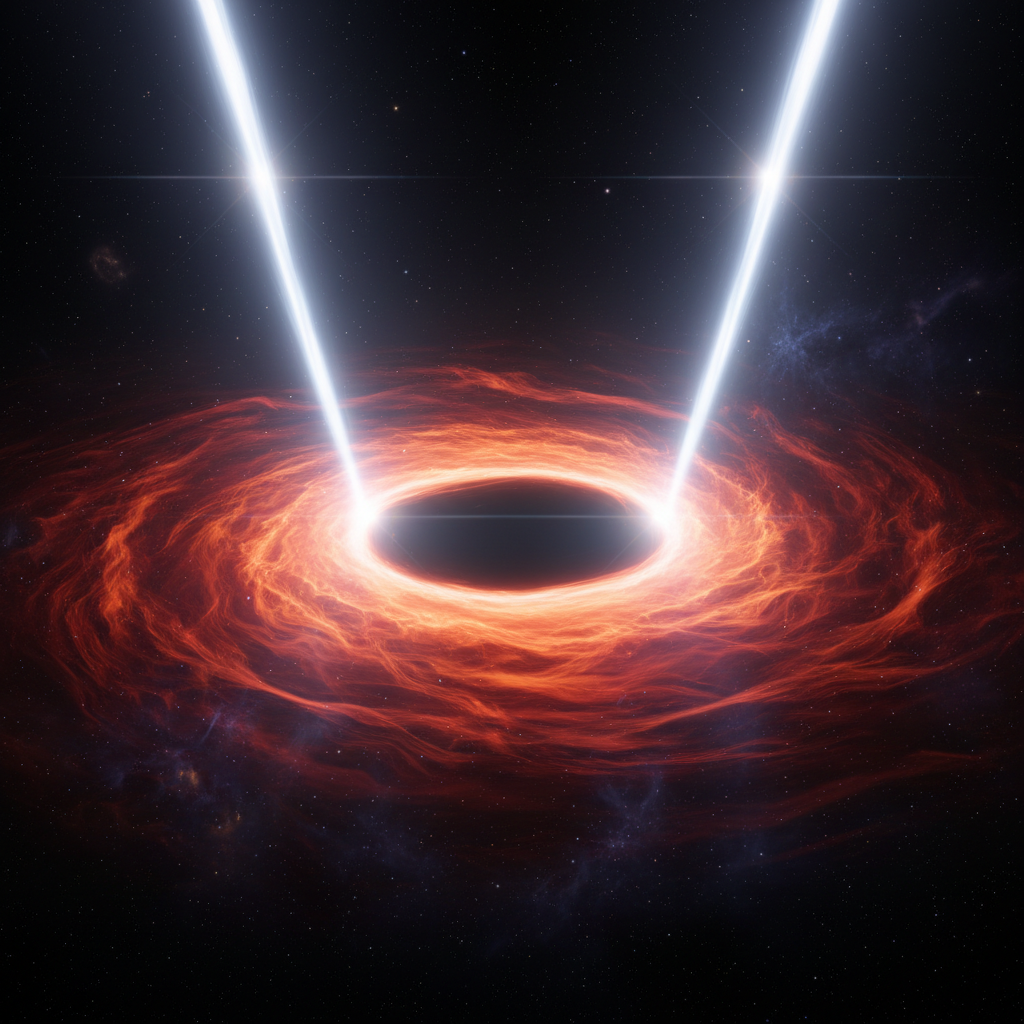
You meant to check one notification. Just one. That was forty-seven minutes ago. Now you're watching a stranger's cat compilation in a language you don't speak, thumb moving in practiced flicks, each swipe requiring less conscious thought than the last.
This is inertia. Not metaphorically. Actually.
Newton's First Law of Your Attention
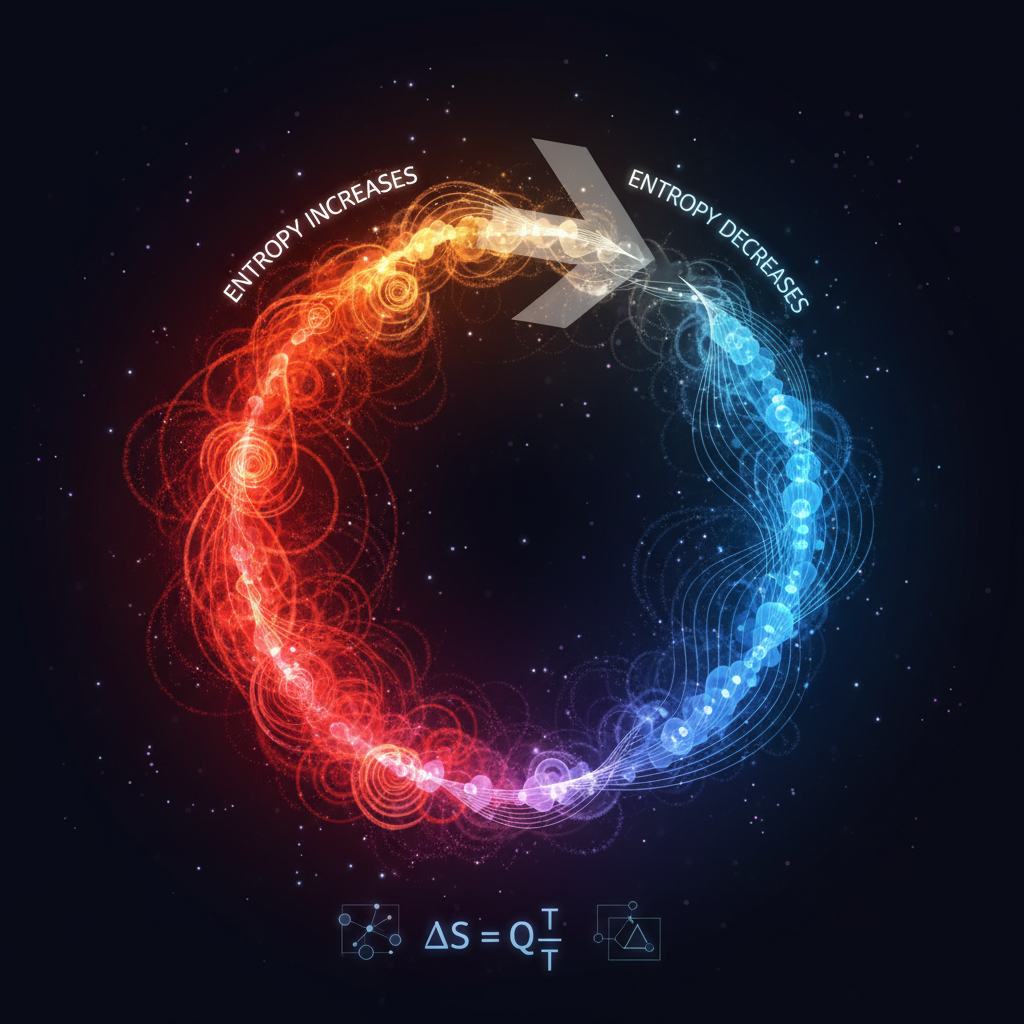
In physics, inertia is the tendency of an object to resist changes in its state of motion. A body at rest stays at rest. A body in motion continues in motion at constant velocity unless acted upon by an external force. It's Newton's first law, and it's been true since before there were laws, before there was Newton, before there were bodies that could contemplate their own motion.
Inertia isn't a force—that's the trick that catches everyone. It's a property. A resistance. The universe's fundamental laziness, if you want to anthropomorphize it. Mass is the measure of inertia. The more massive something is, the harder it is to change its trajectory. Push a shopping cart: easy. Push a freight train: bring friends.
Your attention has mass. Not literal mass—though the neurons firing in your prefrontal cortex do have actual, measurable weight. But behavioral mass. Cognitive mass. The accumulated momentum of whatever you're doing right now.
The Coefficient of Digital Friction

In the physical world, friction is what stops inertia from being absolute. Slide a book across a table and it stops. Not because inertia stopped working—because friction converted kinetic energy into heat. The book wanted to keep moving. The table had other ideas.
Digital spaces are frictionless by design.
Infinite scroll isn't a feature—it's the removal of friction. The bottom of the page used to be a stopping point, a moment where inertia could be interrupted. Now there is no bottom. The feed regenerates faster than you can consume it. Auto-play queues the next video before you've decided if you want to watch it. The interface anticipates your thumb's trajectory and loads content along your probable path.
Every UX designer worth their salary knows: reduce friction in the direction you want users to move. Increase it everywhere else. Want someone to keep scrolling? Make scrolling effortless. Want them to stop and think about whether they should keep scrolling? You don't want that. That's bad for engagement metrics.
They've measured the coefficient of friction for your attention. They've made it approach zero.
Momentum Transfer
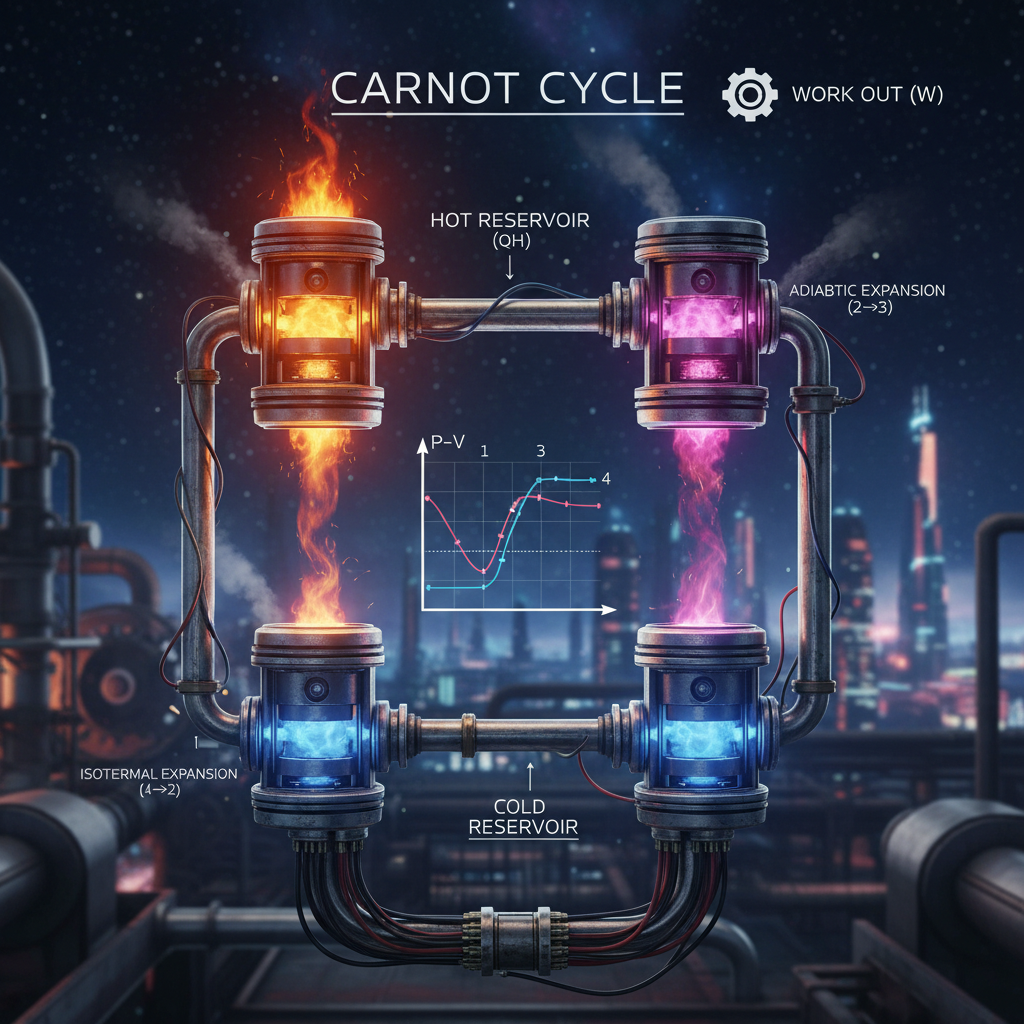
When two objects collide, momentum transfers between them. Conservation of momentum: one of physics' non-negotiable rules. The total momentum before equals the total momentum after. A moving cue ball hits a stationary eight ball. The cue ball slows. The eight ball moves. Momentum redistributes but never disappears.
You open an app with intention. Specific intention. Check the weather. Send a message. Look up a fact. You arrive with momentum pointing in a specific direction.
Then the collision: notifications designed to redirect. Suggested content calibrated to your behavioral profile. Algorithmic interruptions masquerading as serendipity. Each one is a momentum transfer. Your original intention—your initial trajectory—gets redistributed across a dozen new vectors of attention.
You came to check the weather. Now you're reading about a celebrity divorce, a political outrage, a product you didn't know you needed. Your momentum didn't disappear. It was transferred, redistributed, harvested. The app's momentum increased. Yours fragmented into profitable directions.
The Activation Energy Problem

Here's what Newton's first law really means for you: starting requires more force than continuing. Overcoming static friction—getting something moving from rest—takes more energy than overcoming kinetic friction—keeping it moving once it's started.
This is why it's hard to start working out, but once you're at the gym, you might as well finish the workout. Why starting a book is harder than turning the next page. Why the first step out of bed is the hardest step of the day.
Surveillance capitalism has optimized around this asymmetry.
They make starting effortless. One tap. Face recognition. Saved passwords. Persistent login. The activation energy to enter the feed approaches zero. But stopping? Stopping requires you to overcome the momentum they've built. Stopping requires force. Willpower. Conscious intervention against your own behavioral inertia.
You're not weak for scrolling. You're experiencing physics. An object in motion stays in motion. They've set you in motion. They've removed the friction. They've made stopping the hard part.
Terminal Velocity of Thought
Sometimes you catch yourself. Mid-scroll, mid-video, mid-whatever. A moment of metacognition where you observe yourself from outside your own inertia. You think: what am I doing? How did I get here? When did I decide this was how I wanted to spend this unrepeatable segment of my finite existence?
These moments are friction events. Cognitive friction. The sudden awareness that introduces resistance to your behavioral momentum. They're uncomfortable because stopping hurts. Not metaphorically. Your brain has been in a particular state—dopamine flowing, reward circuits firing, attention dispersed across rapid stimuli. Stopping means withdrawing from that state. Withdrawal always hurts.
The question isn't whether you have inertia. Everything with mass has inertia. The question is: who gets to set you in motion? Who benefits from your trajectory? What forces are you allowing to act upon you, and what forces are you exerting in return?
Applied Force
Newton's first law has a second half that everyone forgets: unless acted upon by an external force. That's the escape clause. That's the possibility space. Inertia is powerful but not absolute. Forces can change trajectories. Including forces you apply yourself.
Close the app. Not later. Now. Feel the resistance. That's inertia. That's the momentum they built. Apply force anyway. The first time is hardest. Static friction. But do it enough and you build different momentum. Different inertia. Behavioral patterns that resist the patterns they're selling.
You're not separate from physics. You're subject to it. But you're also capable of applying force. Of choosing which inertias to cultivate. Of recognizing when your motion serves you and when it serves someone else's quarterly earnings.
An object in motion stays in motion. Until you decide to stop.
Data emitted: 1100db
Data emitted: 1,100 words • 6.5KB • 5-minute read