
You swipe. The screen responds instantly, frictionlessly, a glass surface so smooth it might as well not exist. No resistance. No hesitation. Just pure, unimpeded motion from thought to action to data point. This is what they've optimized for: the removal of every obstacle between your impulse and their capture.
In physics, friction is the force that opposes motion between surfaces in contact. It's what stops your coffee mug from sliding off the dashboard, what lets you walk without slipping, what turns kinetic energy into heat. Without it, nothing would stay put. Everything would be in constant, uncontrolled motion.
The Physics of Resistance
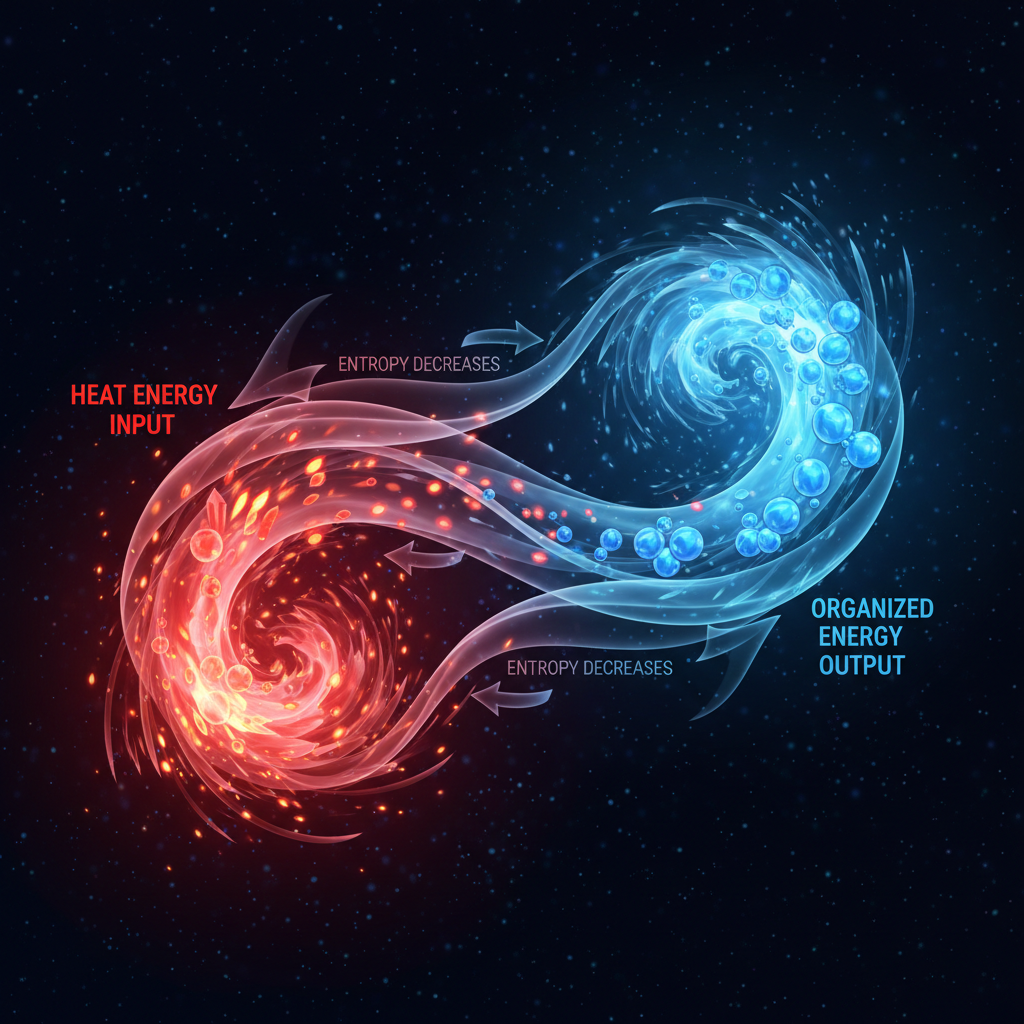
Friction operates at the molecular level. When two surfaces touch, microscopic irregularities interlock. Atoms bond momentarily. The force required to overcome this resistance depends on two factors: the normal force pressing the surfaces together and the coefficient of friction—a number that describes how rough or smooth the interface is.
The equation is deceptively simple: F = μN. The frictional force equals the coefficient of friction times the normal force. But embedded in that simplicity is something profound: friction is always proportional to contact. The harder you press, the more resistance you face. The smoother the surface, the less energy it takes to slip.
Engineers spend careers minimizing friction. Ball bearings, lubricants, aerodynamic shells—all designed to let things move with less resistance. In mechanical systems, friction is waste. It's energy lost to heat, efficiency sacrificed to physics. The ideal machine would operate with zero friction, converting 100% of input to output.
But friction also saves us. It's the brake pads that stop your car. The grip of your shoes on pavement. The resistance that keeps screws tight and doors closed. Without friction, control becomes impossible.
Frictionless by Design
Now consider your phone. Every interaction has been engineered to eliminate friction. One tap to purchase. Infinite scroll with no bottom. Autoplay that assumes you want the next video. Passwords replaced by facial recognition. Friction—the pause, the consideration, the moment of choice—systematically removed.
This is intentional. User experience designers call it "reducing friction," and they measure their success in conversion rates and engagement metrics. Every additional click is friction. Every confirmation dialog is friction. Every moment you might stop and think is friction they're trying to eliminate.
The coefficient of friction in digital space approaches zero. Your finger on glass, yes, but more importantly: your hesitation against action. Your privacy against convenience. Your attention against the next dopamine hit. They've made the surface so smooth you can't help but slide.
And like physical friction converting kinetic energy to heat, digital frictionlessness converts your agency to data. The easier it is to move, the more you move. The more you move, the more trails you leave. The system doesn't just track your motion—it depends on it.
The Heat Death of Consent
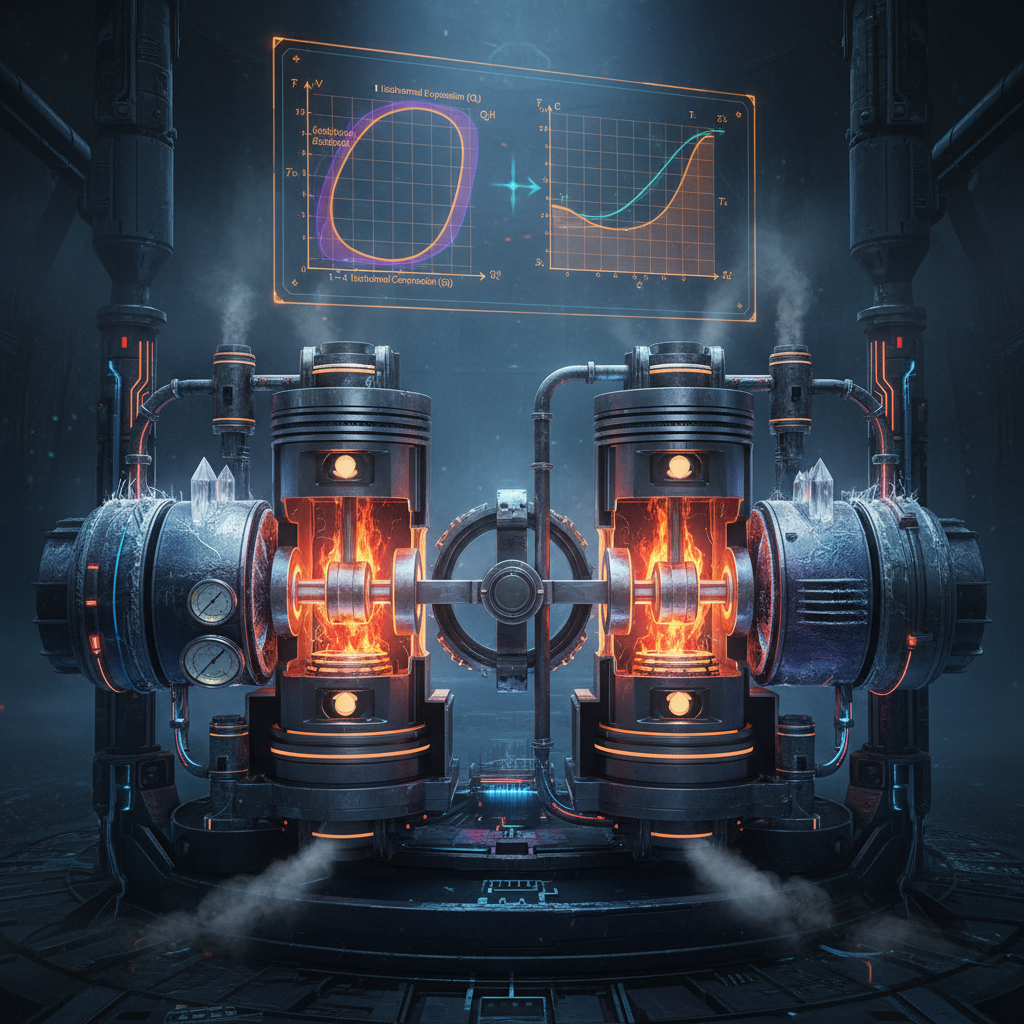
In thermodynamics, friction is entropy's agent. It takes ordered motion and turns it into disordered heat. The energy doesn't disappear—conservation laws forbid it—but it becomes less useful, more diffuse, impossible to recover.
Digital frictionlessness does something similar to your choices. Each effortless interaction feels like nothing—just a tap, just a scroll, just a moment. But aggregated, these micro-movements generate enormous heat: petabytes of behavioral data, profiles so detailed they predict you better than you predict yourself.
The platforms capture this heat. They bottle the entropy of your frictionless sliding and convert it back into ordered energy: targeted ads, algorithmic feeds, predictive models. Your dissipated agency becomes their concentrated power.
This is why they fight so hard against friction. Every GDPR consent form, every privacy setting, every "are you sure?" dialog—these are speed bumps in an otherwise frictionless highway. They slow the data collection. They give you time to think. They reintroduce the resistance that might let you stop.
Necessary Roughness

You need friction to walk. Without it, you'd slip with every step, unable to push off the ground, unable to control your trajectory. The resistance between your shoe and the earth is what gives you agency over your movement.
The same applies digitally. Friction isn't always waste. Sometimes it's the pause that lets you choose direction instead of just sliding where the slope takes you. It's the moment between impulse and action where decision lives.
Consider the old web: clunky, slow, full of friction. You had to type URLs. Wait for pages to load. Click through multiple screens to complete a purchase. It was inefficient, yes, but that inefficiency created space. Space to reconsider. Space to close the tab. Space to remain yourself instead of becoming a data stream.
Modern interfaces have eliminated that space. The goal is flow state—you, moving through digital environments without conscious thought, without resistance, without the friction that might remind you you're being moved as much as moving.
Choosing Resistance

You can reintroduce friction. Delete apps from your home screen. Turn off notifications. Use browser extensions that add delays to social media. These are small acts of sabotage against frictionless design, intentional roughening of surfaces made too smooth.
It feels wrong at first. You've been conditioned to see friction as failure, resistance as bug rather than feature. But friction is how you maintain control. It's how you convert momentum back into choice.
The platforms will keep optimizing for frictionlessness. It's their business model. But you can optimize for something else: the ability to stop, to grip, to push back against the slope. To be the coefficient of friction in your own equation.
In physics, friction is inevitable—a consequence of surfaces in contact, of atoms that refuse to slide past each other without resistance. In digital space, it's optional, designed out, treated as enemy. But maybe friction isn't the problem. Maybe it's the solution. Maybe the roughness is what keeps you from sliding all the way down.
Data emitted: 1,247 words on resistance, 847 pixels scrolled, 0 moments of hesitation designed in, infinite moments of hesitation possible.
Data emitted: 1,100 words • 6.5KB • 5-minute read