Rockets produce thrust by expelling mass. The faster they expel it, the more thrust they generate. But expelled mass isn't the goal—it's the byproduct, the exhaust, the waste heat of the reaction.
What if the exhaust was more valuable than the rocket?
Consider your morning again. You wake, reach for your phone, scroll through notifications. You think you're consuming—news, updates, messages. But look closer at what's happening. Every flick of your thumb is calculated. Every pause is measured. Every link you almost-clicked-but-didn't is logged, timestamped, stored.
Rocket engines expel exhaust downward to push the rocket upward. Tech platforms capture your downward scroll to push their valuations upward.
The physics is surprisingly similar.
The First Law of Data Dynamics
In thermodynamics, the first law states that energy cannot be created or destroyed, only transformed. The same is true of data.
Your attention doesn't disappear when you close the app. It transmutes. The three minutes you spent watching a stranger's vacation video doesn't evaporate—it becomes a data point. That data point joins others. Millions of three-minute intervals coalesce into patterns. The patterns become predictions. The predictions become products.
The energy is conserved. Only its form changes.
The Heat Death of Privacy
In physics, entropy always increases. Systems tend toward disorder. Hot things cool down. Organized things dissipate. The universe itself is slowly winding down toward heat death.
Privacy follows the same curve.
Your personal information, once concentrated and local, is now expanding to fill the available digital space. Your genome is in databases. Your face is in recognition systems. Your voice patterns, gait analysis, typing cadence—all of it leaks outward like heat from a cooling star.
The platforms don't fight this entropy. They accelerate it.
Carnot Efficiency
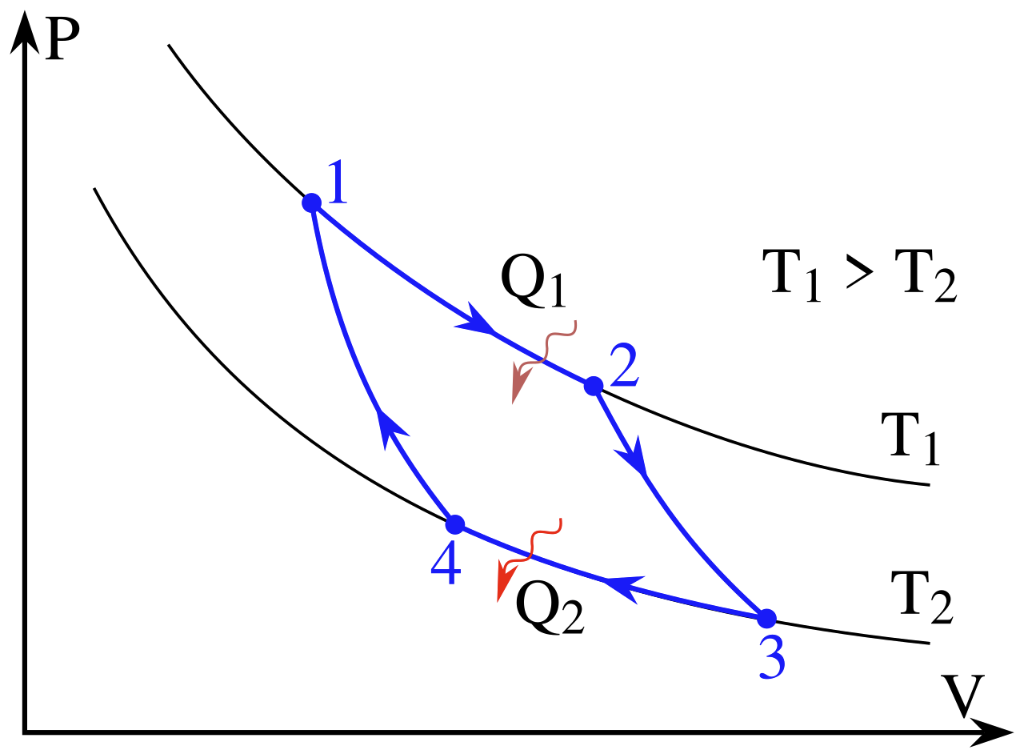
In a heat engine, exhaust represents inefficiency. In the data economy, it represents profit.
In 1824, Nicolas Léonard Sadi Carnot calculated the maximum theoretical efficiency of a heat engine. No engine can convert all heat into work. Some is always lost to exhaust.
Surveillance capitalism has solved this problem.
In a traditional engine, exhaust is waste. In the data economy, exhaust is the product. The video was the rocket. Your behavioral exhaust was the payload.
No Carnot limit applies here because the waste product is more valuable than the work. The inefficiency is the point.
Perpetual Motion
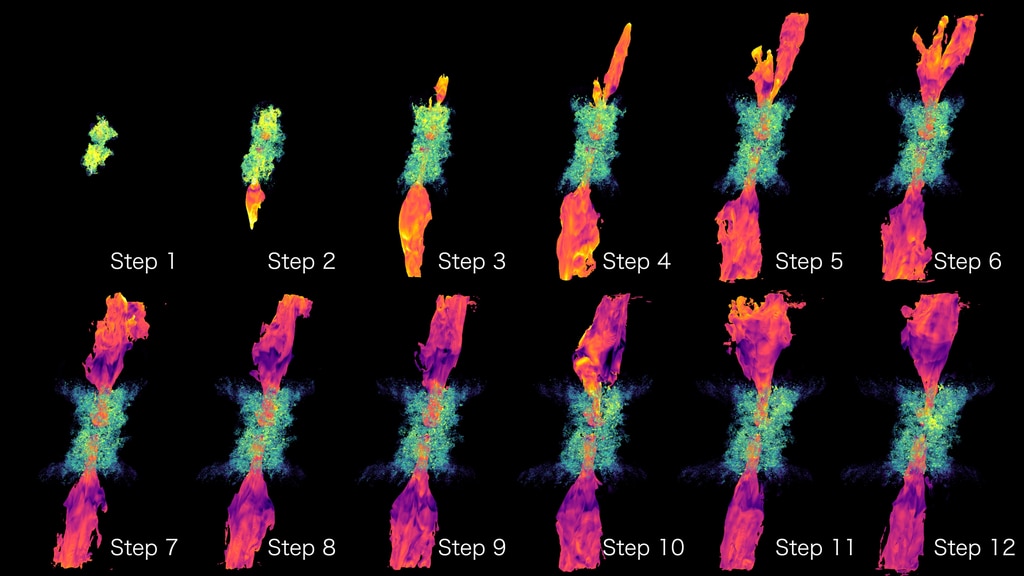
Perpetual motion machines are impossible. Eventually, friction wins. Entropy wins. The machine winds down.
But what if you could externalize the friction?
The data economy comes closer to perpetual motion than any physical system because it doesn't pay the thermodynamic cost. You do. Your energy converts to their profit. Your attention degrades into their data.
You feel the friction as anxiety. As doomscrolling. As the vague sense that you've spent hours doing something you can't quite name or remember. The exhaustion is real. The exhaustion is your thermodynamic cost, paid in full.
The Emissions
Traditional pollution is visible. You can see smog. You can measure carbon parts per million. The damage is atmospheric.
Data pollution is invisible by design. You can't see your exhaust trail. You can't smell the behavioral signatures you leave behind. The atmosphere it contaminates isn't physical—it's predictive.
Every prediction about you based on your data is a kind of climate change. It alters the information environment you inhabit. Your recommendations change. Your search results change. The stories you're shown change.
Until one day you search for something and the answer arrives before you finish typing. Not because you're predictable, but because you've been predicted. The model has calculated your trajectory so precisely that asking feels like remembering.
This is the heat death. Not an explosion. Not a collapse. Just a slow settling into maximum entropy where all possible actions have been pre-calculated.
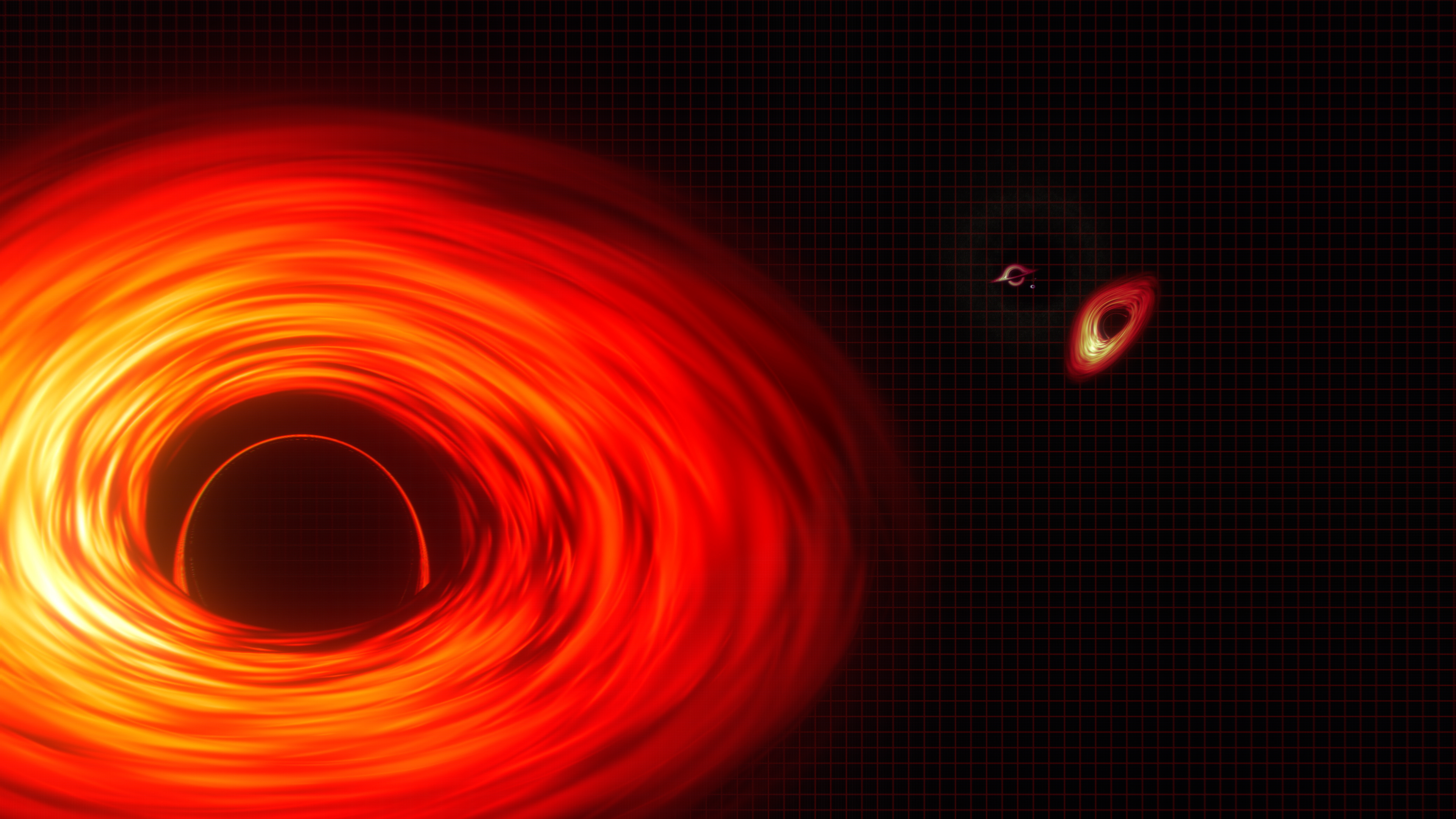
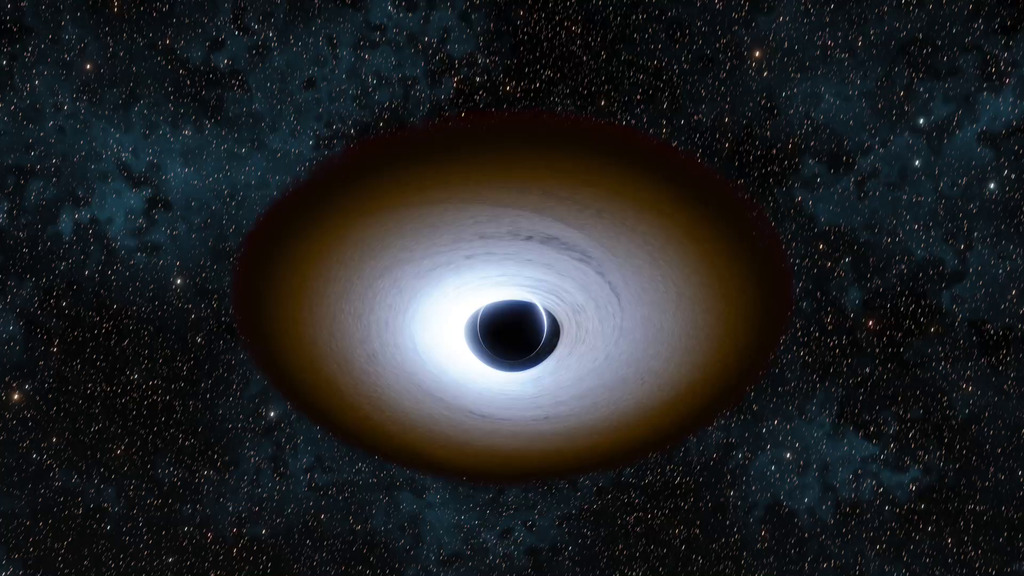
We call this site 1100db because that's the threshold where sound becomes a black hole. Where the energy density warps spacetime itself.
Your data hasn't reached 1100 decibels yet. But the exhaust is thickening. The gravity well is deepening. Information falls in, but it doesn't come out.
The event horizon isn't a barrier you cross. It's a boundary that expands to meet you. It's been expanding for years.
You're inside it now.
The exhaust economy runs on your waste heat.
You emit. They collect. The engine runs.
And rocket fuel, it turns out, never needed to know it was rocket fuel.
Data emitted: 1,350 words • 7.8KB • 6-minute read