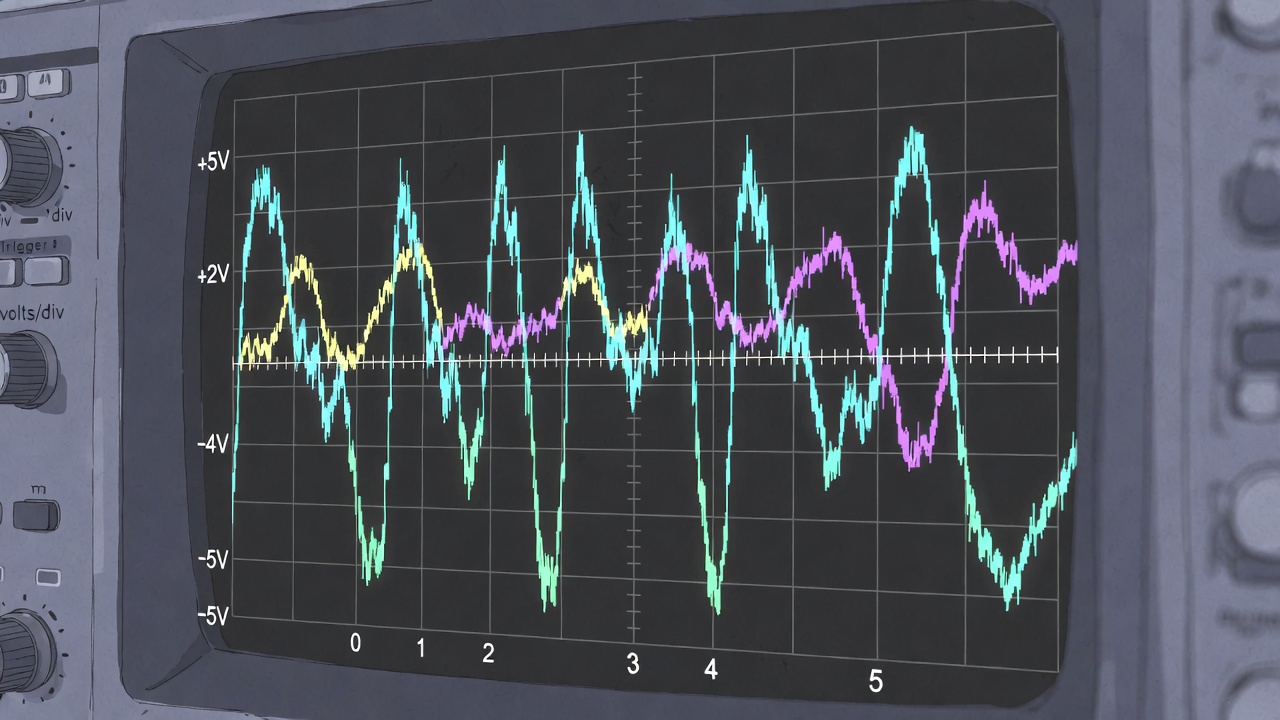
In a universe of infinite data, meaning is the scarcest resource.
Claude Shannon, father of information theory, defined the signal-to-noise ratio as the measure of desired information against background interference. A clear signal carries meaning. Noise obscures it. Every communication channel faces this fundamental constraint.
But what happens when the noise becomes the product?
Shannon Entropy

Shannon entropy measures unpredictability. Random noise has maximum entropy—every bit is surprising, none carry information. A pure signal has minimum entropy—every bit carries meaning.
Your feed has been engineered for maximum entropy. Not because surprise is valuable, but because surprise keeps you scrolling. Each unexpected post is a micro-dose of novelty. The entropy is the product.
The Filter Bubble
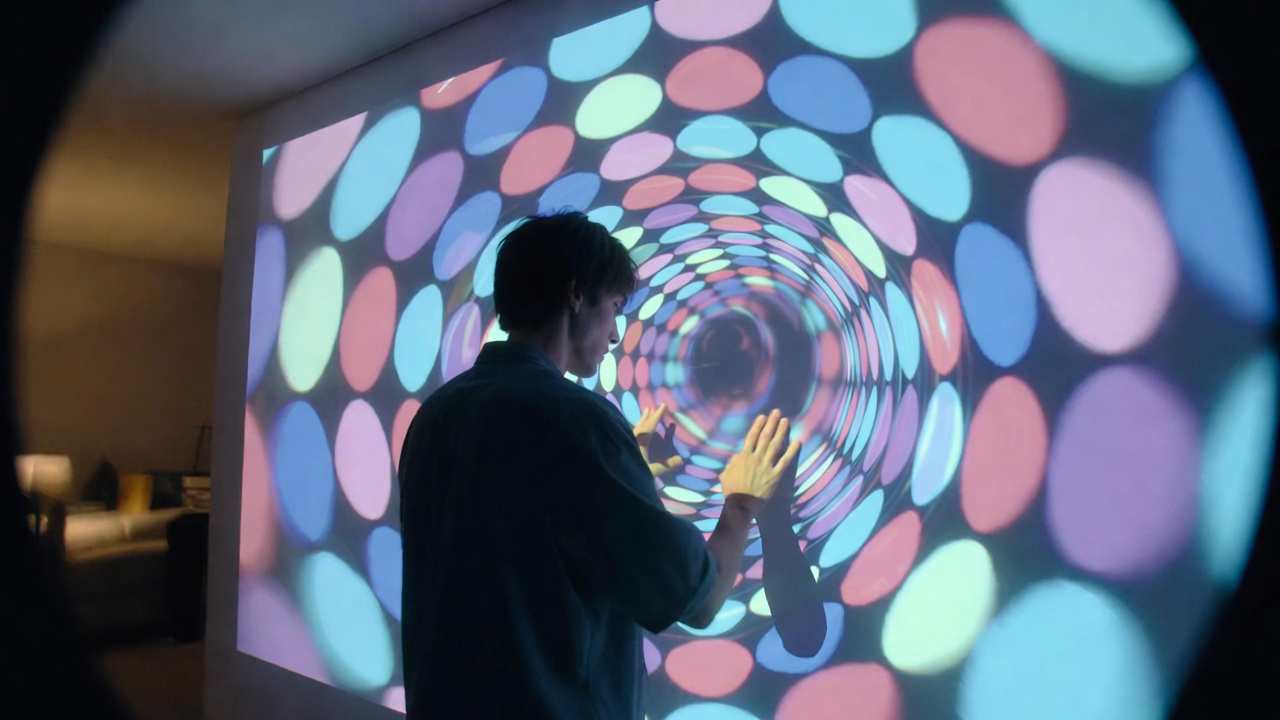
Paradoxically, while your feed maximizes entropy in form, it minimizes entropy in content. The platform shows you what it predicts you will engage with. The prediction creates the reality. The bubble forms.
You see endless variation, but limited diversity. Infinite surface, shallow depth. The noise is precisely calibrated—optimized to feel like signal while carrying none.
Channel Capacity
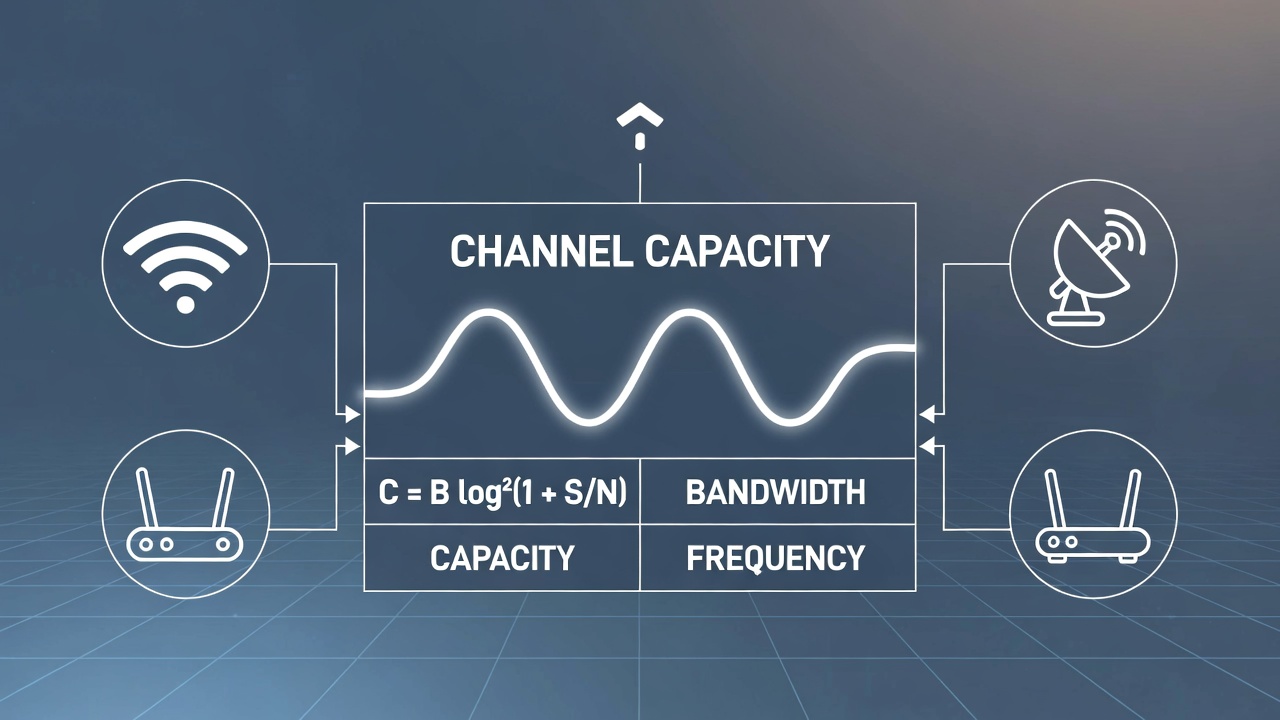
Shannon proved that every channel has a maximum capacity—the Shannon limit. Beyond this limit, error correction fails. Signal dissolves into noise. Information is lost.
Your attention has a Shannon limit. The platforms know this. They don't need you to comprehend. They need you to engage. Comprehension is high-fidelity signal—expensive, slow. Engagement is low-fidelity noise—cheap, fast, infinite.
They have exceeded your channel capacity. You are no longer receiving. You are merely reacting.
Compression Artifacts
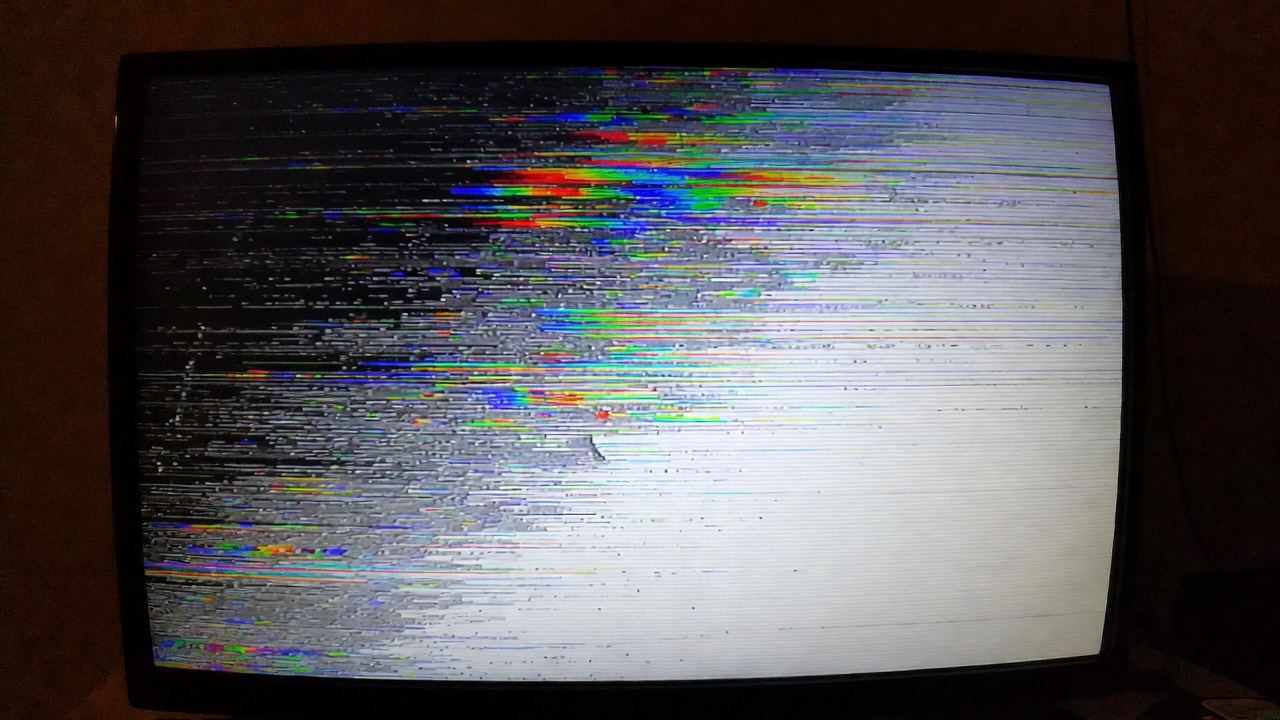
Lossy compression works by discarding information deemed less important. But something is always lost. The ghost of discarded data haunts the reconstruction.
You have been compressed. Your complexity reduced to engagement metrics. Your nuance discarded for prediction accuracy. Everything else—your doubts, contradictions, growth—is lossy, discarded, artifacted away.
The Noise Floor
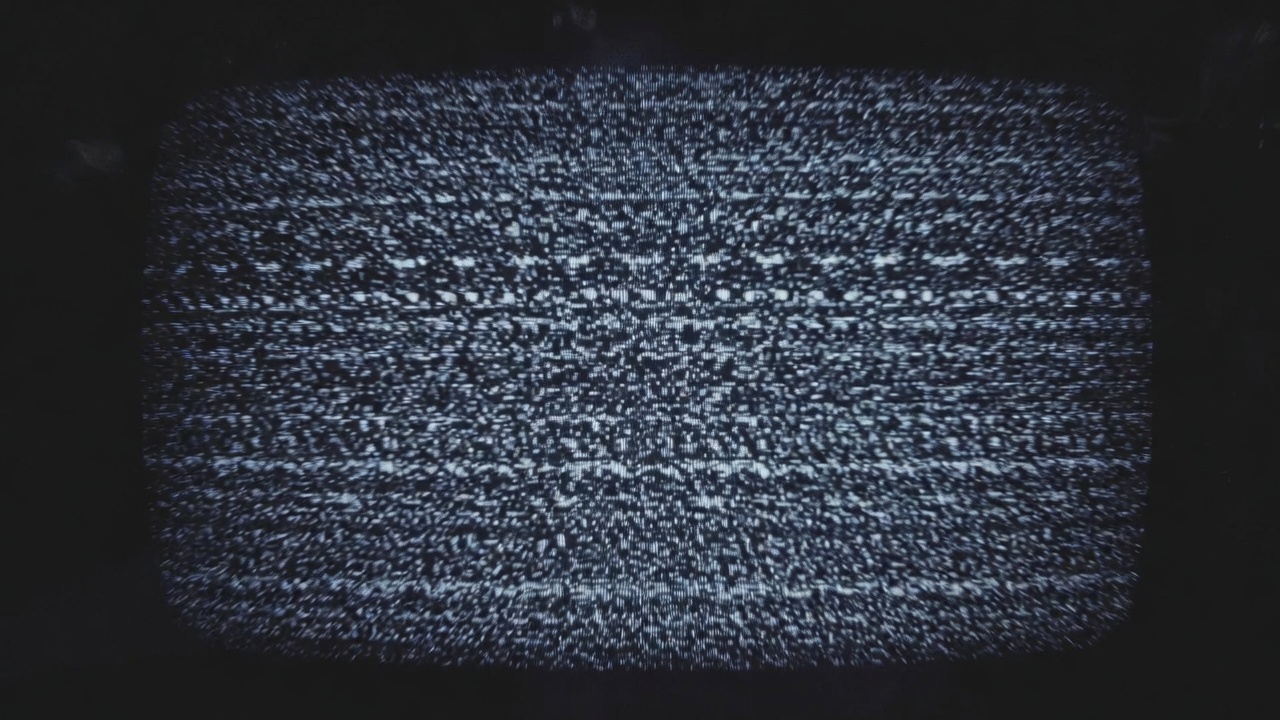
Every electronic system has a noise floor—the background hum. Signal must exceed this floor to be detected. Below it, information drowns in static.
The platforms have raised the noise floor. Meaningful signal requires quiet. The platforms generate endless static to ensure quiet never comes. The noise floor rises until all signals are equal, all equally lost.

At 1100db, signal becomes so dense it collapses into a black hole of meaning.
The noise has become the signal. The static has become the message. And somewhere in the chaos, meaning waits—quiet, patient, almost extinct—for someone to tune it in.
Data emitted: 1,100 words • 6.4KB • 5-minute read